
Global Leaders Convene in Ottawa to Advance Coordinated Action on Antimicrobial Resistance (AMR)
High-Level Meeting Hosted by Senator Mohamed-Iqbal Ravalia Underscored Urgency for Sustainable Antimicrobial Innovation and Access Solutions
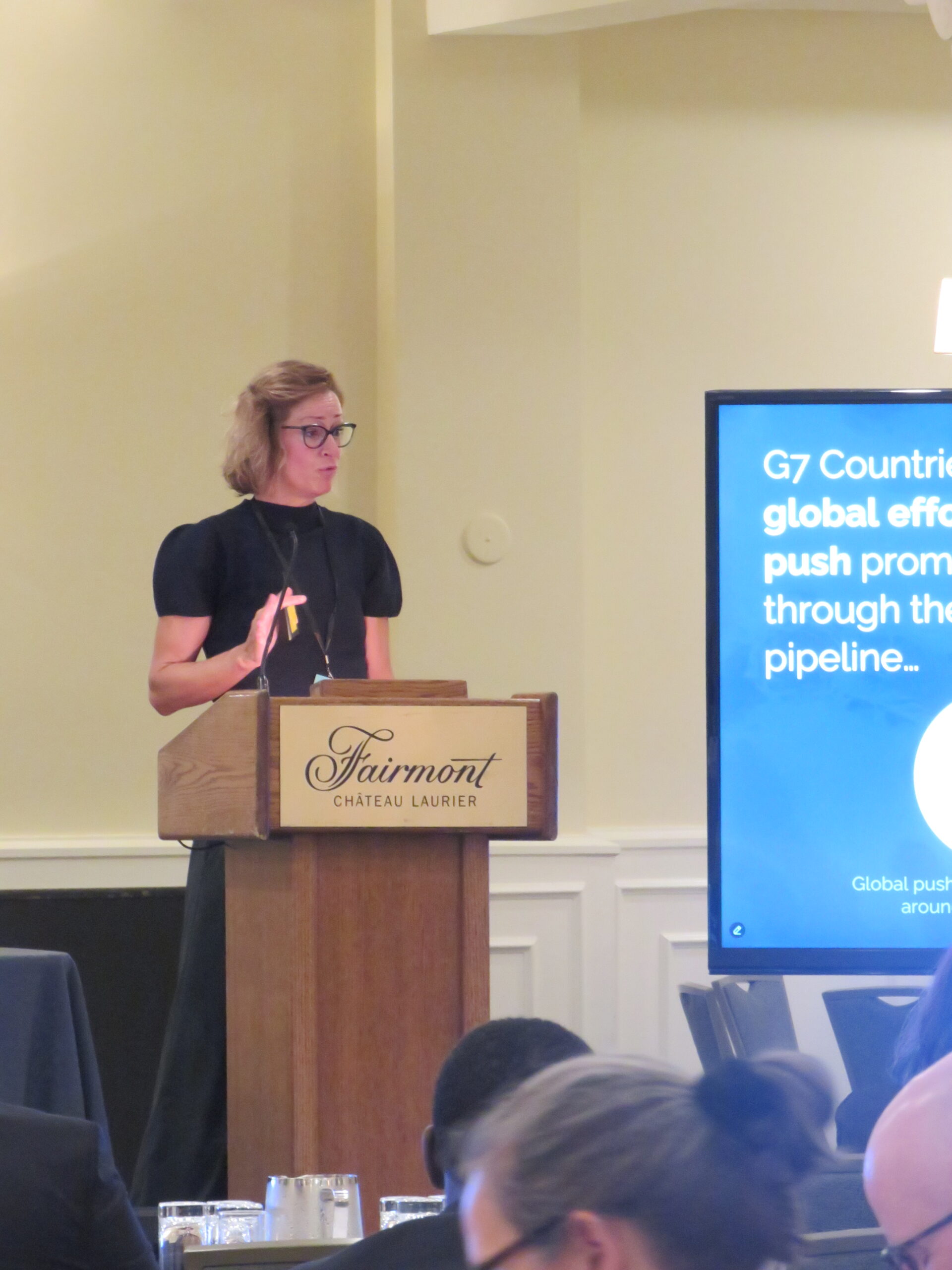
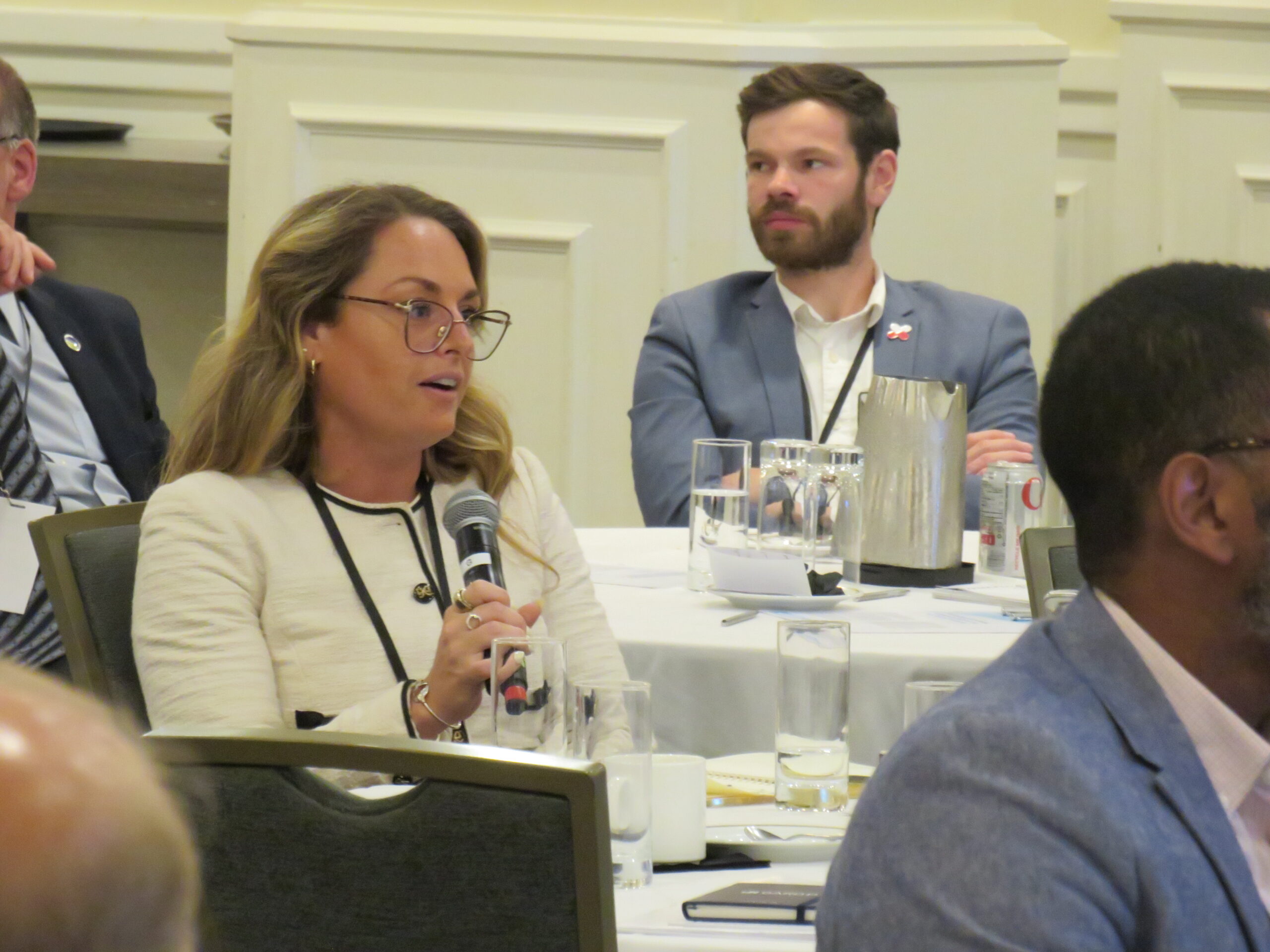
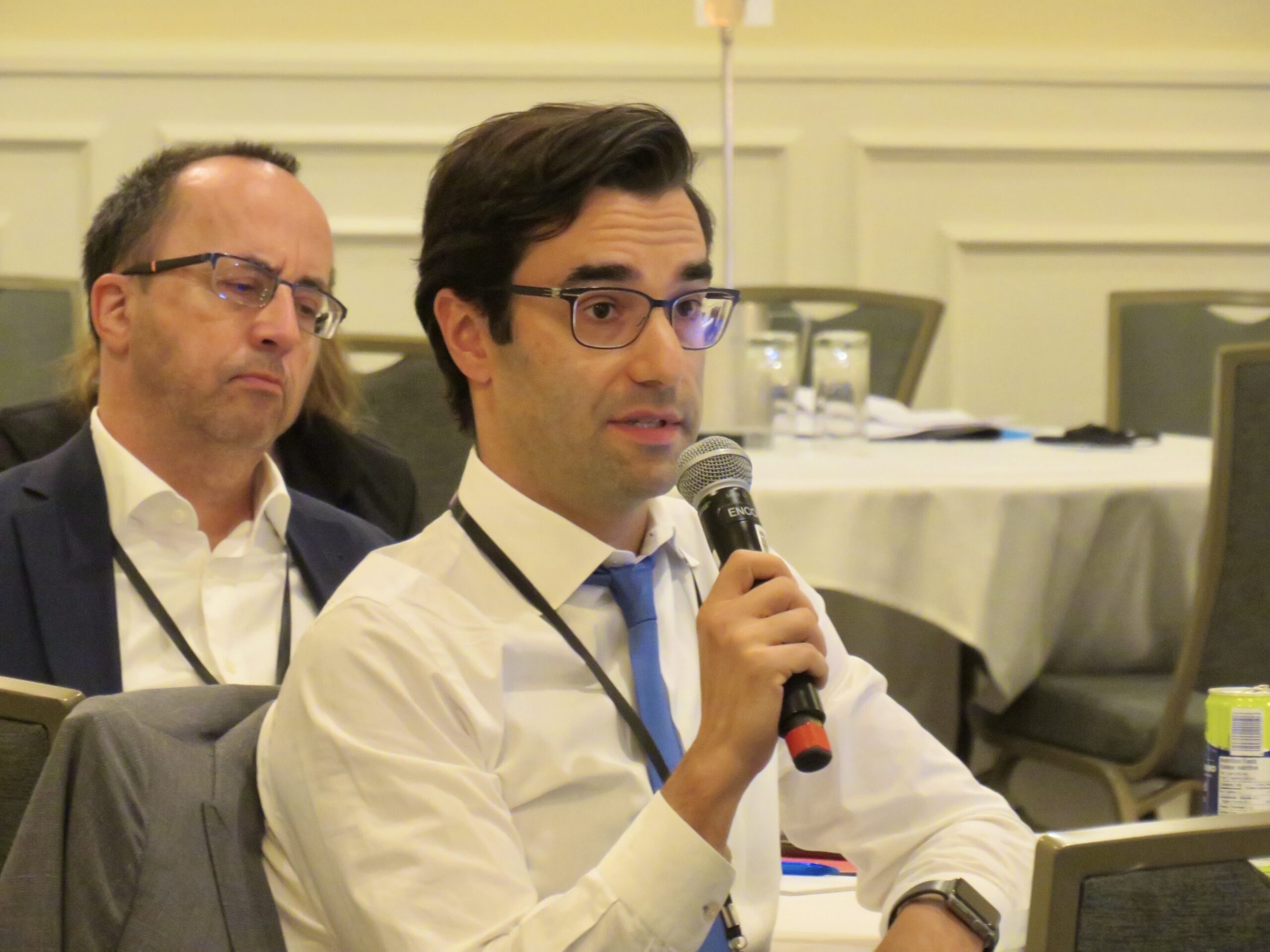
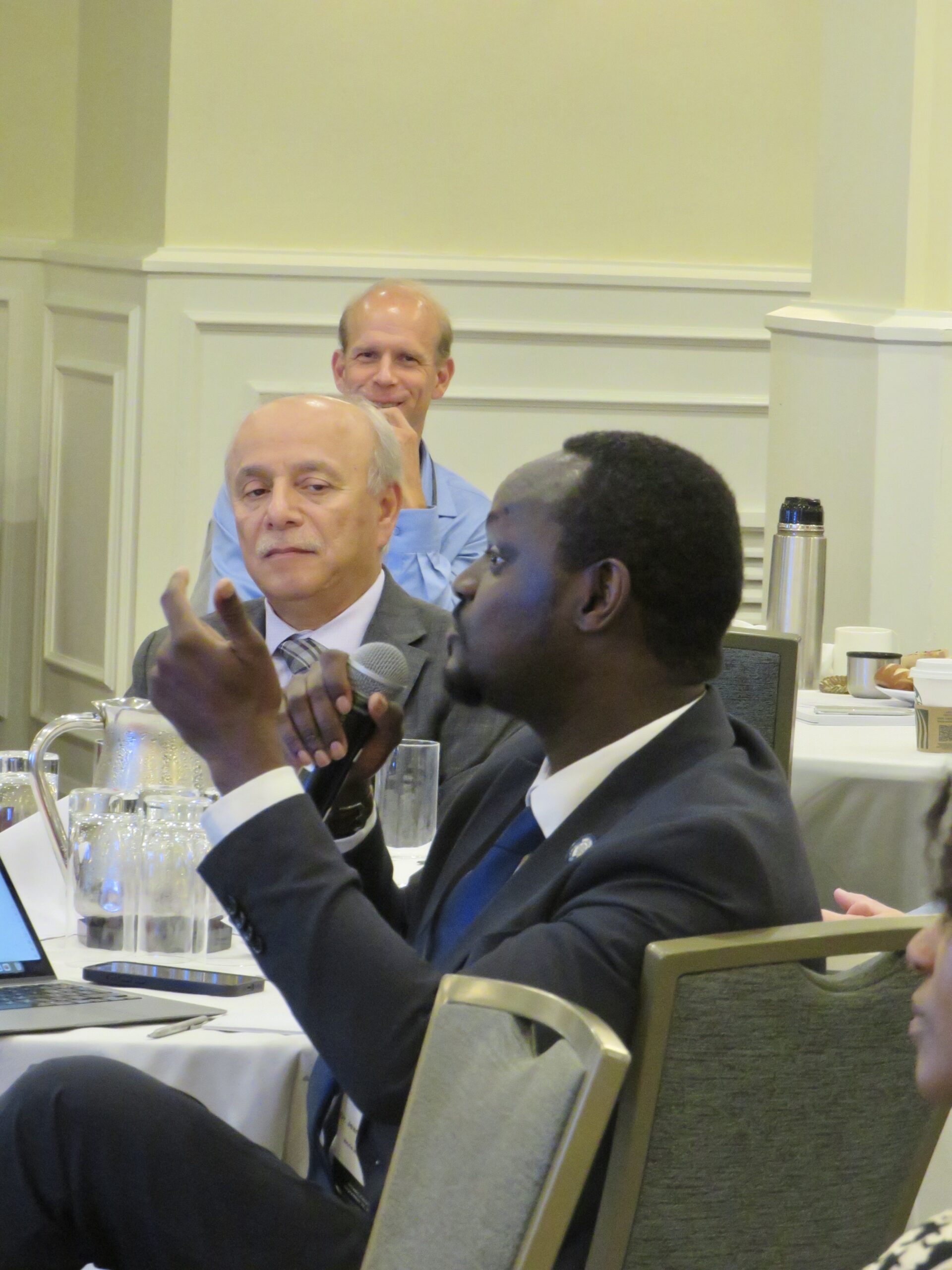
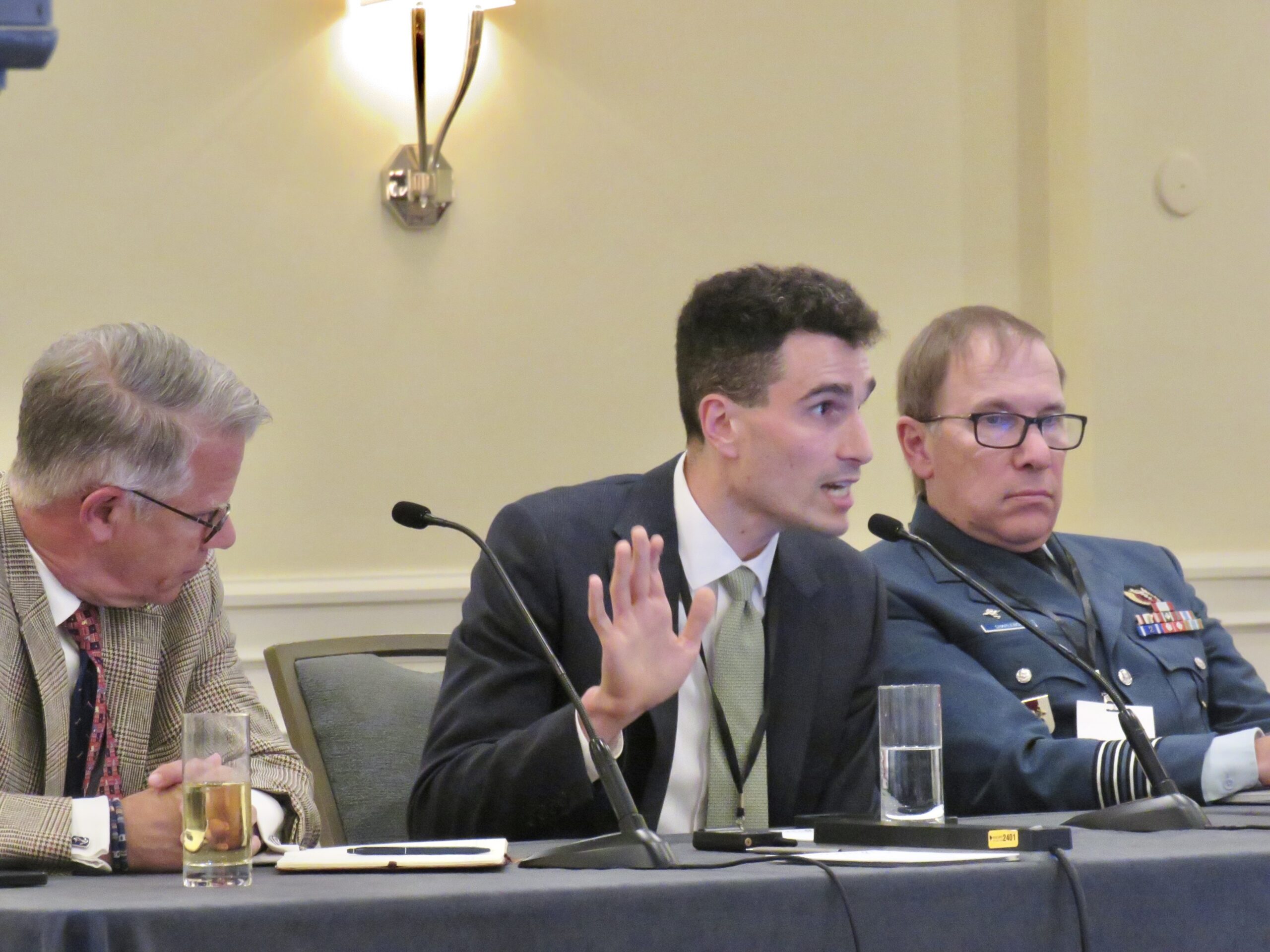
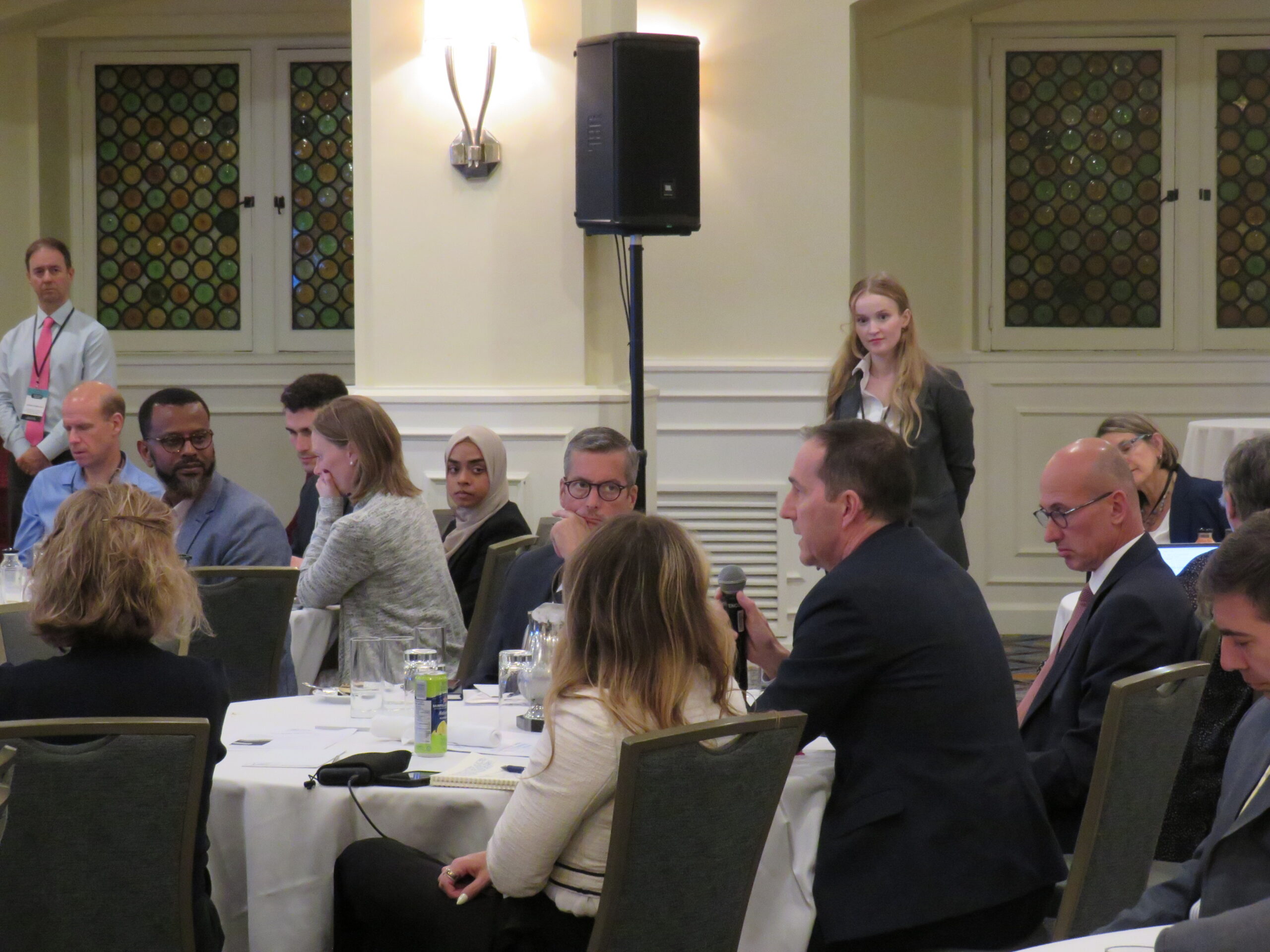
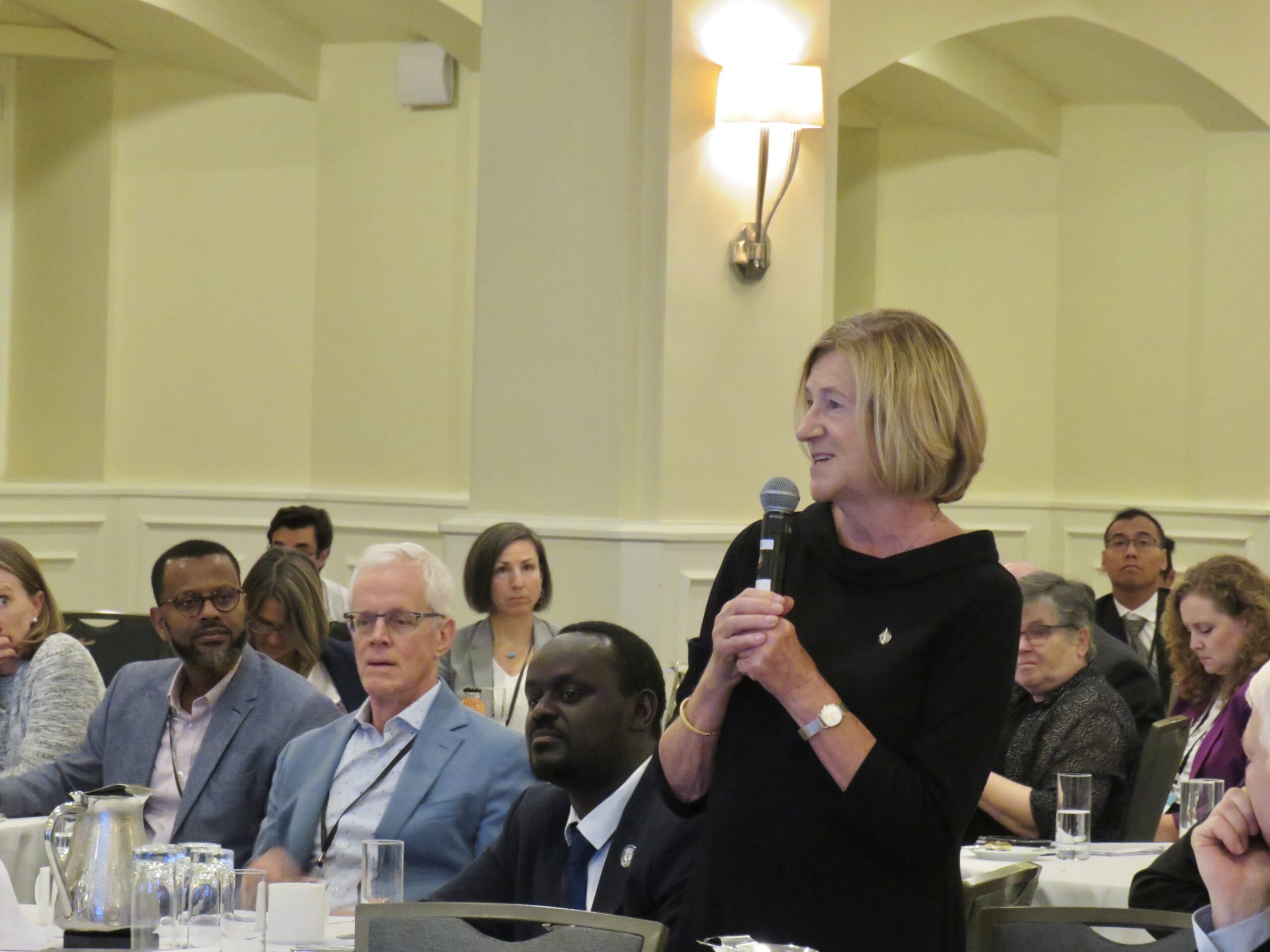
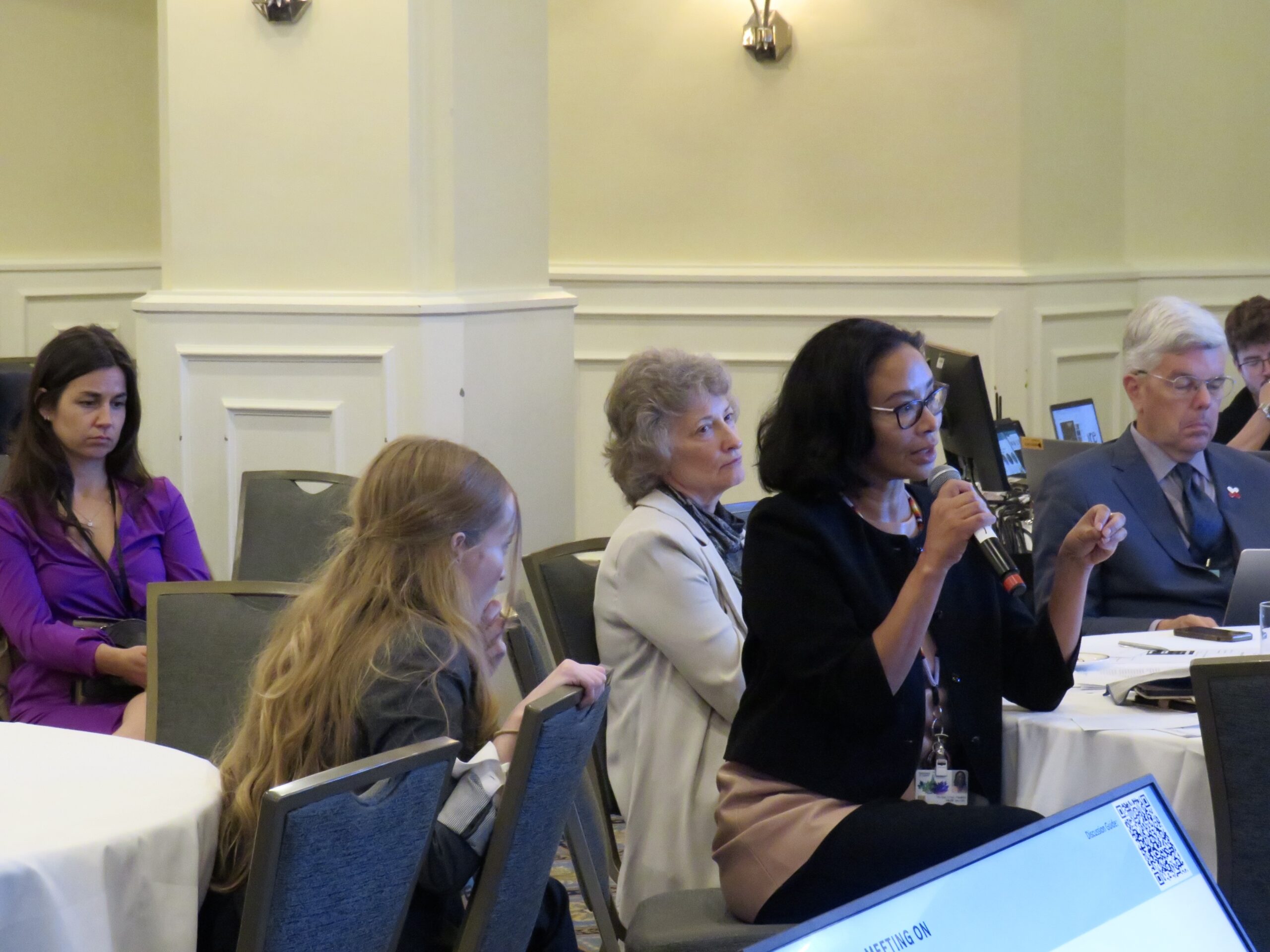
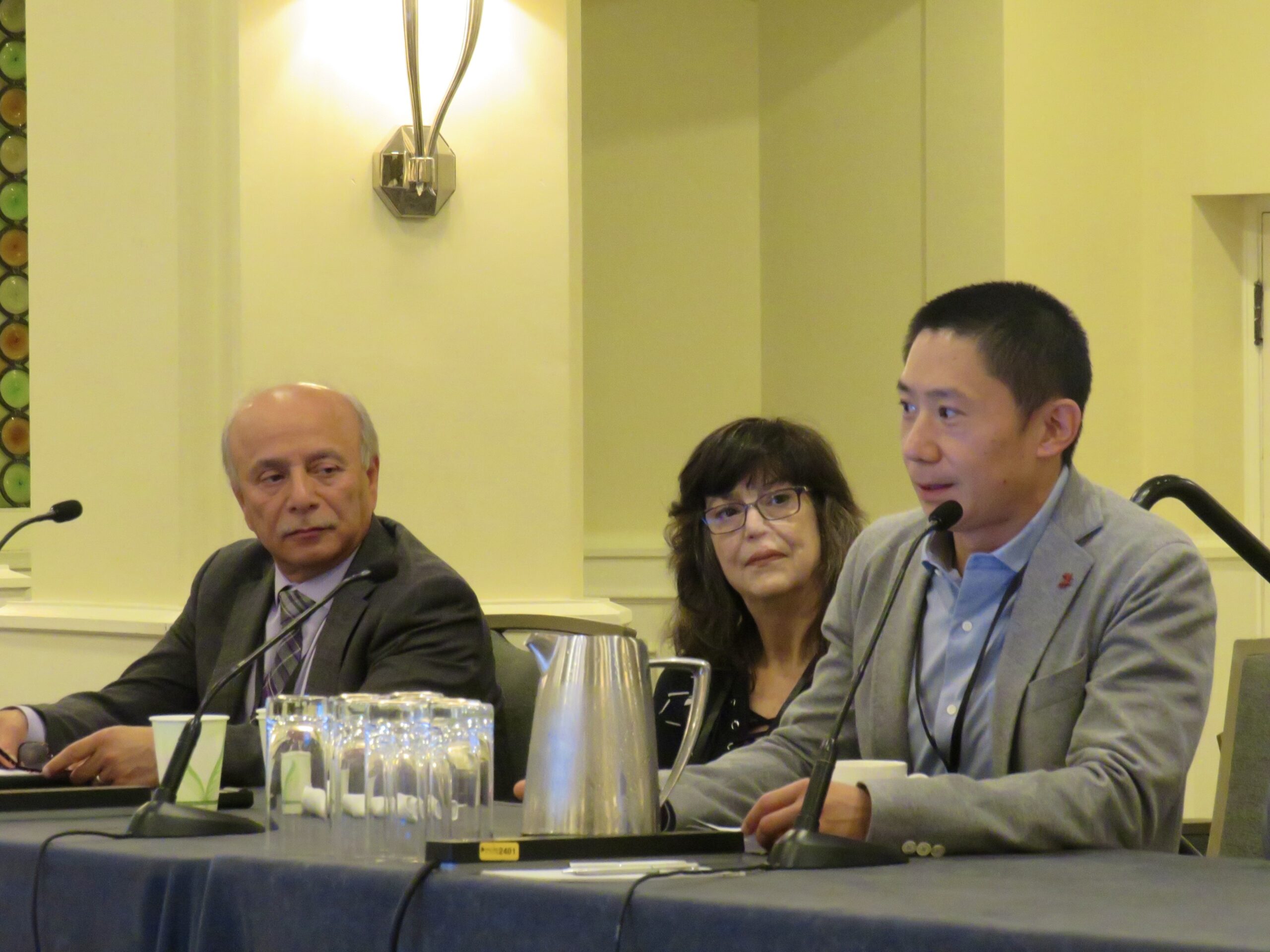
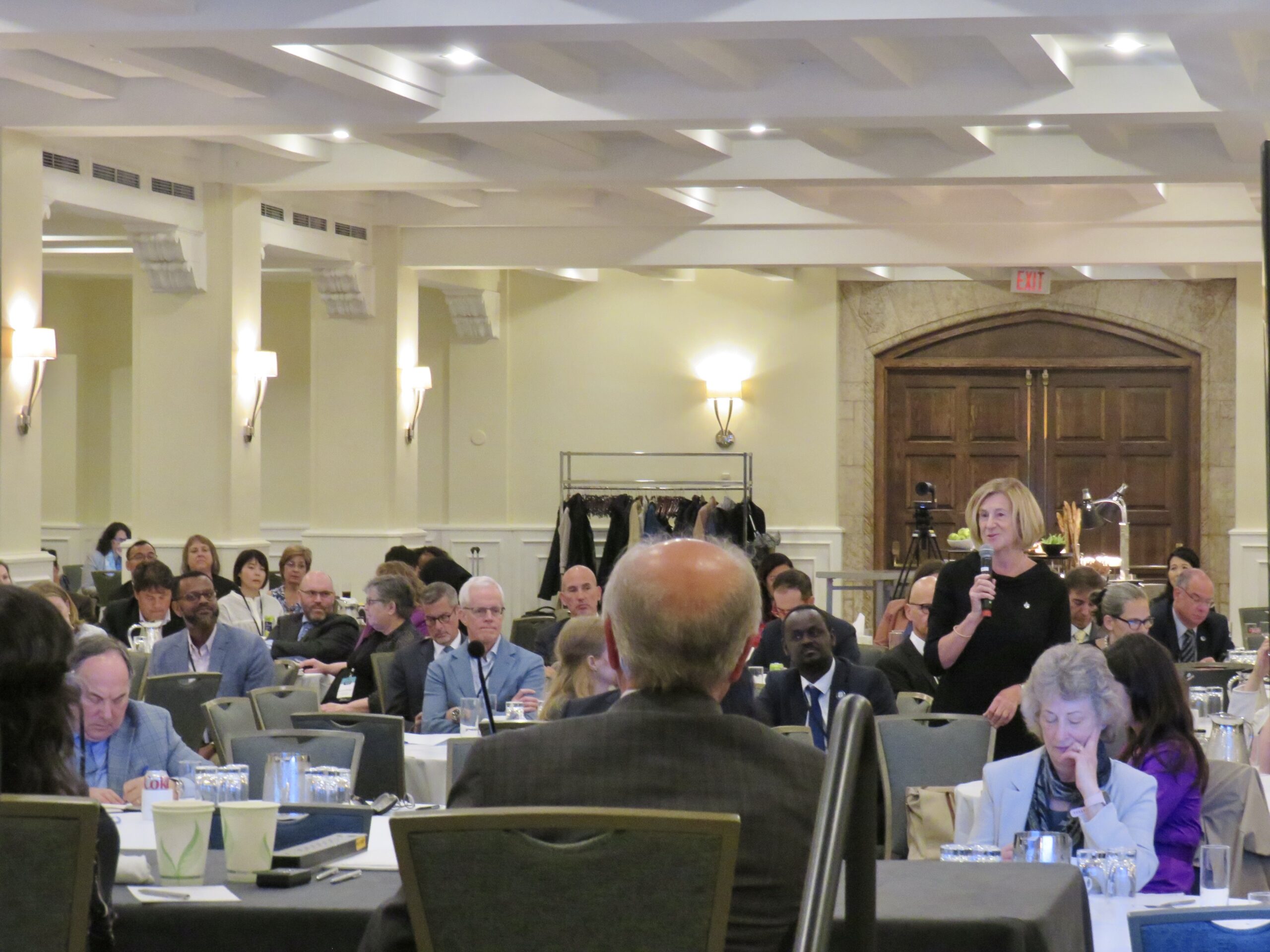
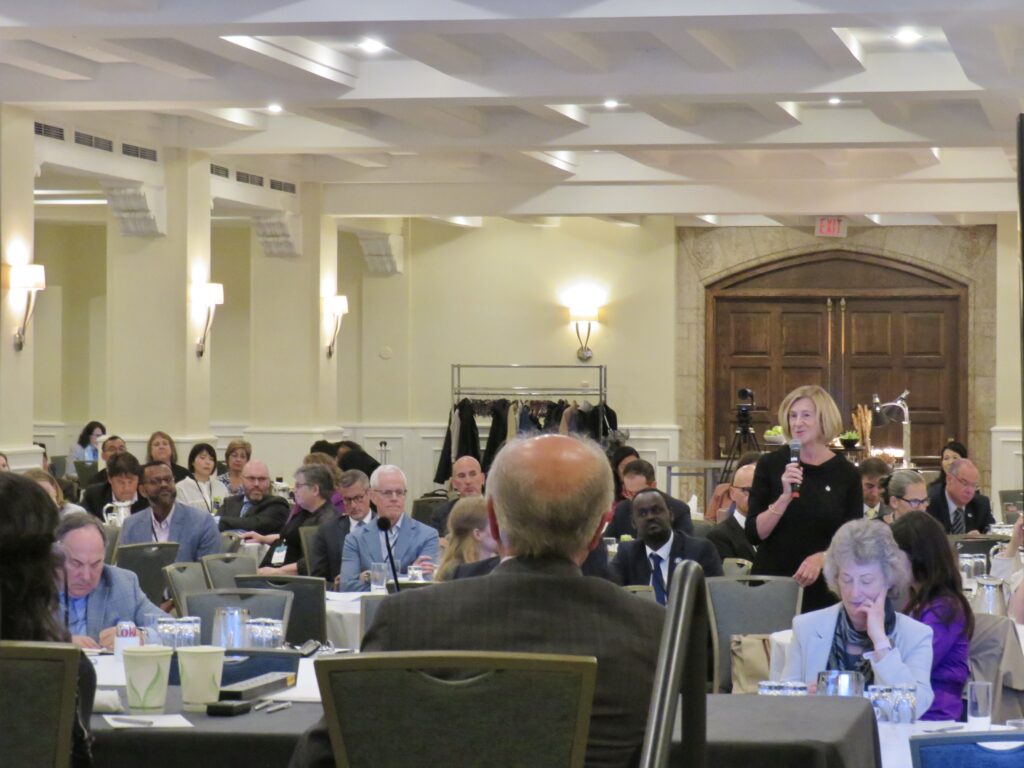
November 26, 2025 – On September 22nd 2025, Canadian Senator Mohamed-Iqbal Ravalia convened a High-Level Meeting on AMR in collaboration with the Canadian Antimicrobial Innovation Coalition (CAIC), with support from Innovative Medicines Canada, International Federation of Pharmaceutical Manufacturers and Associations, AMR Action Fund and GSK. The meeting gathered over 100 leaders from government, science, industry, and civil society — including representatives from G7 countries, the World Health Organization (WHO), and the European Commission — to achieve greater alignment on policy incentives to mitigate the impact of AMR in our societies.
“I would like to thank Senator Ravalia, and our partners — IMC, IFPMA and AMR Action Fund — for making this event possible, as well as the attendees who contributed greatly to the event discussion,” Dr. Sameeh Salama, Chief Scientific Officer, Fedora Pharmaceuticals, Inc. and CAIC Board Chair. “This meeting reaffirmed that AMR is both a public-health and security emergency, and international coordination is paramount to achieving impact.”
Participants highlighted the continued fragility of the global antibiotic pipeline. Despite scientific progress, weak market incentives and limited commercial returns have discouraged private investment, contributing to a dangerously thin pipeline of new antimicrobials. Coordinated economic solutions are required to both stimulate early R&D and sustain post-market viability.
Improving innovation and access to high-quality treatment would cost an estimated US$ 63 billion per year, offering a global return on investment of 28:1 driven by reduced health-care costs and major macroeconomic gains. There is general agreement that “pull incentives” in the range of a few USD billion per antibiotic globally are needed to meaningfully stimulate antibiotic R&D.
Similarly, well-thought out, collaborative, sustainable access models are necessary so that patients everywhere can benefit from these life-saving drugs. Despite meaningful progress, participants stressed that global action remains insufficient. Fewer than half of newly approved antibiotics are widely registered, and 80% of the world’s population lacks reliable access to older essential antimicrobial medicines. WHO has called for long-term, sustainable financing to support innovation and enable access.
Several G7 and EU representatives shared national and regional updates at the meeting regarding policy solutions to address antimicrobial innovation and access.
Experts emphasized that the cost of inaction on antimicrobial resistance is extraordinarily high. Without timely intervention, AMR will continue to drive higher mortality, escalate treatment costs, and place growing pressure on health systems across every region. Although AMR is a global challenge, its impacts are felt locally—in hospitals, farms, long-term care homes, and community clinics—making coordinated action essential. Canada’s House of Commons Standing Committee on Science and Research has launched a national study on AMR, underscoring that parliamentary engagement is critical to raising awareness, strengthening accountability, and connecting this global threat to the realities facing local ridings.
CAIC and its partners welcome the leadership shown by Senator Ravalia and support the continued advancement of scalable economic incentives to combat AMR. Every G7 country and the EU must act collectively across innovation, access, and stewardship — to turn the current tipping point into a global turning point for global health security.
Learn more in the Meeting Summary Report
https://amrinnovation.ca/unlisted/discussion-document-amr-high-level-meeting/
About CAIC
The Canadian Antimicrobial Innovation Coalition (CAIC) is a member-based non-profit organization helping to protect Canada’s population from the rise in antimicrobial resistance. We are committed to engaging Canada’s public, health sector and governments on strategies to combat AMR through biomedical innovation. CAIC’s mandate is to protect the Canadian population from the rise in AMR, by positioning Canada to be a leader in AMR research and product development, economic growth, and investment.
CAIC aims to facilitate necessary dialogue and collaboration between relevant partners such as regulators, public policymakers, researchers, and manufacturers. Through its influential membership, CAIC seeks to advocate for certain policy initiatives and advise government officials on appropriate research mechanisms, regulatory incentives aimed at strengthening efforts to combat AMR in Canada, and methods to overcome market barriers.
For more information, visit www.amrinnovation.ca and follow us on Twitter @CanadaAMR and LinkedIn: https://www.linkedin.com/company/canada-amr/.
Membership
Adapsyn Bioscience
bioMerieux
Bright Angel Therapeutics
GSK
Fedora Pharmaceuticals
Innovative Medicines Canada (IMC)
Nosotech
Paladin Labs
Merck
Microbion
Roche
SaNOtize
SterileCare
Shionogi
Verity Pharmaceuticals
À propos de la CAIC
La Canadian Antimicrobial Innovation Coalition (CAIC) est composée d’acteurs majeurs dans les secteurs de l’innovation biomédicale, de la recherche biopharmaceutique, du diagnostic et de la recherche. Le mandat de la CAIC est de protéger les Canadiens contre la croissance de la résistance aux antimicrobiens (RAM) en faisant du Canada un chef de file en matière de recherche, de développement de produits, de croissance économique et d’investissements relatifs à la RAM. Les membres actuels de notre comité de direction représentent les entreprises suivantes : Adapsyn, BD-Canada, bioMérieux Canada inc. DeNovaMed Inc, Fedora Pharmaceuticals, GSK Inc., Merck Canada Inc. et saNOtize Inc. Pour plus d’information, visitez www.amrinnovation.ca et suivez-nous sur Twitter au CanadaAMR.